Air transport
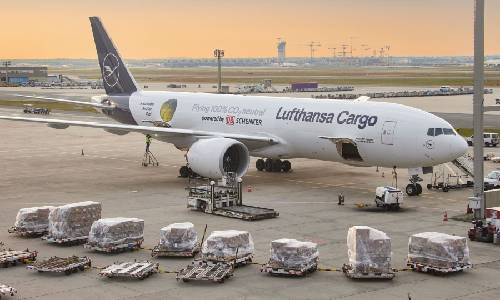
Air transport is one of the fastest and most efficient modes of freight movement in modern logistics. It plays a critical role in connecting international markets, reducing delivery timelines, and ensuring high-value or time-sensitive shipments reach their destination safely and efficiently. Whether it’s emergency medical supplies, commercial cargo, or e-commerce parcels, air transport has become the backbone of global express delivery.
With advanced tracking systems, strict safety protocols, and well-coordinated logistics infrastructure, air freight ensures a level of precision and reliability that other transportation methods may struggle to match. Its ability to bypass geographical barriers such as mountains, oceans, and border restrictions makes it the preferred solution for industries where timing and safety are crucial—such as pharmaceuticals, electronics, luxury goods, perishables, and emergency relief supplies.
Furthermore, partnerships between airlines, freight forwarders, logistics service providers, and customs authorities ensure streamlined documentation, reduced bottlenecks, and smoother transit processes. As technology continues to evolve, the efficiency of air transport is expected to grow—making it a key pillar of fast, safe, and scalable logistics for businesses worldwide.
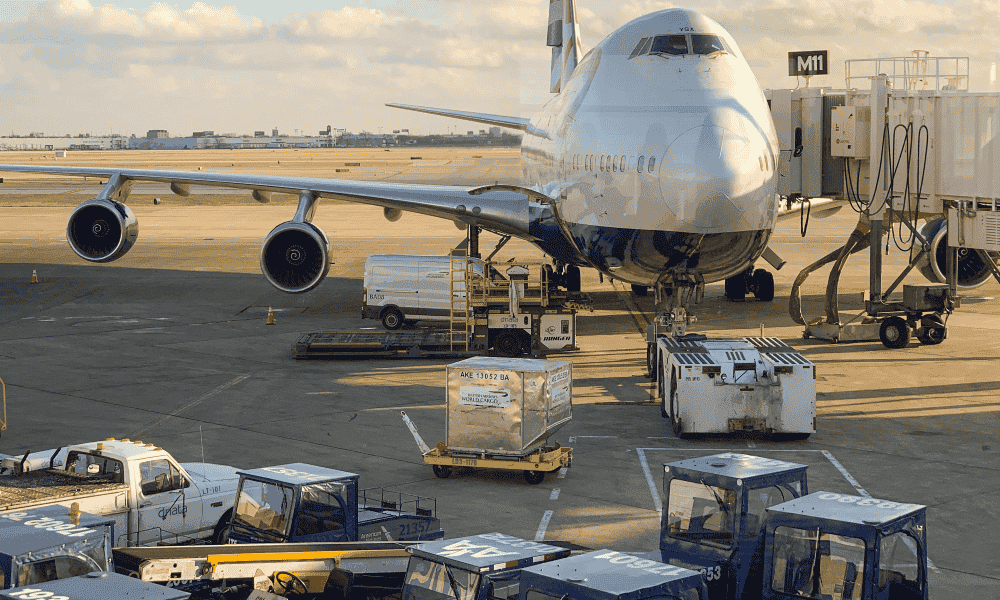
Key Advantages of Air Transport
| Speed and Time Efficiency |
|---|
| The greatest advantage of air freight is speed. Unlike sea or road transport, air cargo can reach international or long-distance destinations within hours or a few days. This makes it ideal for urgent and priority shipments where delivery time is crucial. |
| Global Reach |
| Air transport connects even the most remote locations through a vast aviation network. Cargo planes and commercial airlines provide services across continents, ensuring seamless global trade and business expansion. |
| High Security and Reliability |
| Airports operate with strict security protocols, scanning systems, and trained handling staff, ensuring cargo safety. Weather forecasting and advanced monitoring systems make air transport highly reliable with minimal delays compared to other modes. |
| Suitable for Lightweight, Valuable, and Perishable Goods |
| Air freight is specially used for goods that require rapid transit or are highly fragile. Items such as pharmaceuticals, electronics, luxury products, and fresh foods benefit greatly from controlled environment cargo spaces and quick deliveries. |
| Reliable Scheduling and Lower Risk of Delays |
| Air transport operates on strict timetables, making it one of the most predictable logistics methods available. Unlike road or sea transport—where weather, traffic, or infrastructure conditions may cause delays—flight schedules are tightly managed and monitored. This ensures shipments depart and arrive within a planned timeframe, offering businesses greater control over supply chain planning. With real-time tracking, advanced coordination, and faster customs processing, air cargo significantly reduces uncertainties and ensures consistent on-time delivery performance. |